6 Oct 2026
Shifts in Legal Frameworks Impacting Casino Betting Availability Across US Jurisdictions
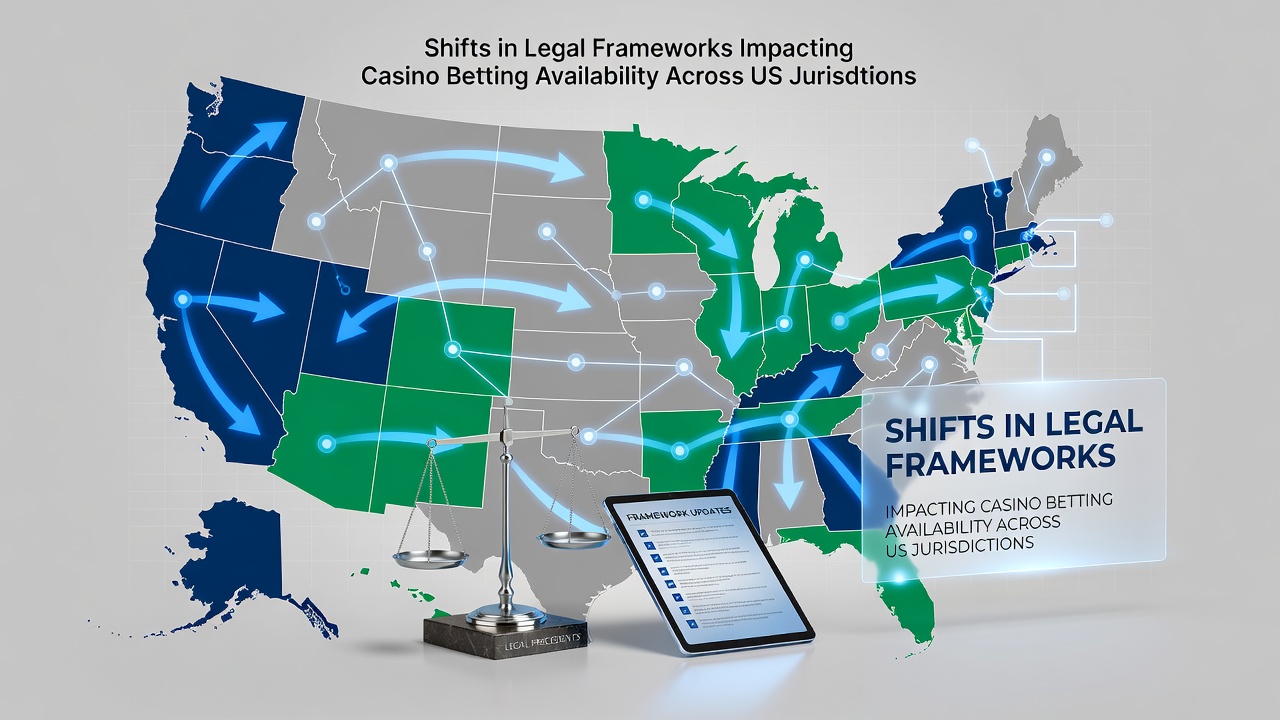
Legal frameworks governing casino betting in the United States have evolved through a series of state-level decisions since the repeal of the Professional and Amateur Sports Protection Act in 2018, and these adjustments continue to determine where and how participants can access both land-based and online options. States have approached regulation differently, with some expanding access through new licensing systems while others maintain restrictions that limit availability to specific venues or prohibit certain formats entirely.
State-Level Legislative Developments
Observers note that individual states hold primary authority over casino operations, which means changes often emerge from legislative sessions rather than uniform federal mandates, and this structure has produced a patchwork of rules that affect availability based on geographic location. In New Jersey, for instance, lawmakers updated online casino regulations to permit expanded game offerings and streamlined licensing for operators, resulting in increased platform access for residents within state borders. Pennsylvania followed a similar path by authorizing retail and internet-based casino betting through a controlled licensing process managed by its gaming control board, which has led to multiple approved sites operating simultaneously.
Data from the National Conference of State Legislatures shows that more than two dozen states now permit some form of casino betting, although the specific games, wagering limits, and distribution methods vary widely depending on each jurisdiction's statutes. Michigan and West Virginia introduced frameworks that combine sports betting with traditional casino games, and these models have influenced neighboring states considering comparable expansions.
Impact on Online and Retail Availability
Regulatory shifts have directly influenced the number of licensed operators and the geographic reach of their services, while also shaping requirements for age verification and responsible gaming measures that operators must implement. In states that have passed enabling legislation, residents often gain access to multiple platforms offering slots, table games, and poker, whereas in restrictive jurisdictions participants remain limited to tribal facilities or out-of-state travel. Researchers at institutions tracking gaming policy have documented how compact agreements between states and tribal nations have further complicated availability, since these pacts sometimes allow casino operations on sovereign land that fall outside standard state oversight.
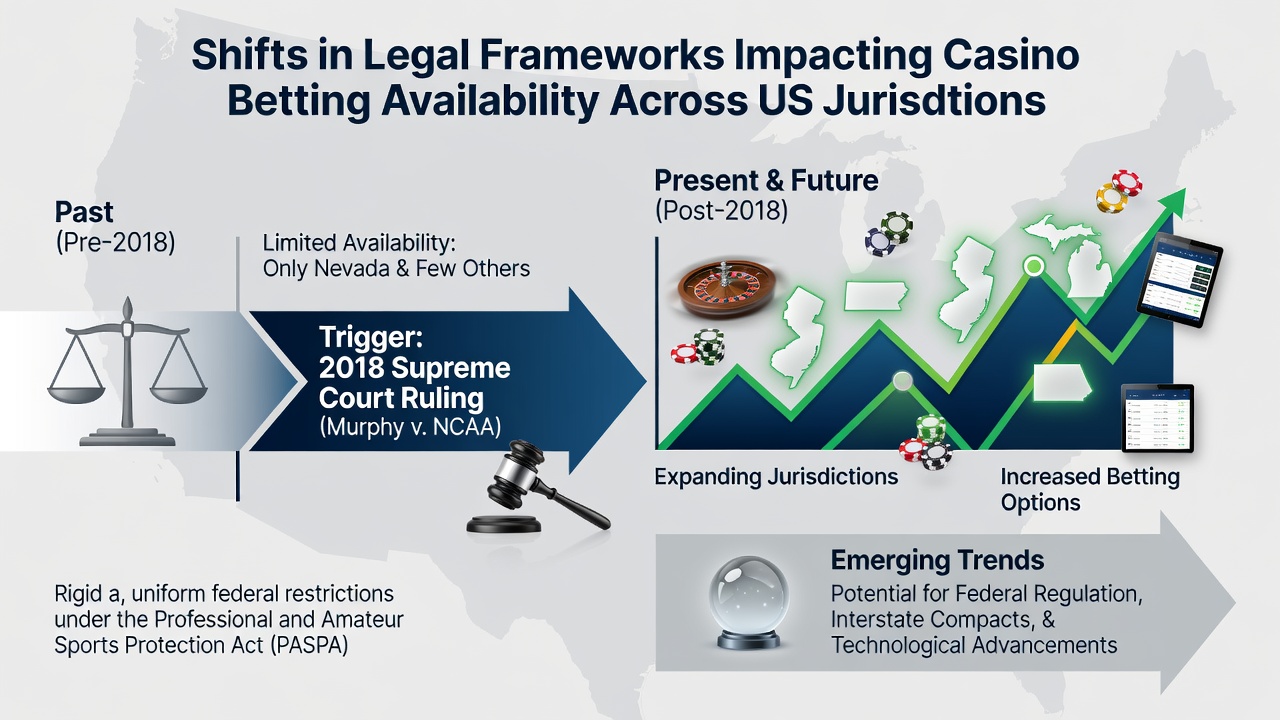
By October 2026, additional states such as North Carolina and Ohio had finalized rules for both retail casinos and associated online extensions, increasing the total number of jurisdictions where regulated betting occurs. These updates typically include revenue-sharing provisions that direct portions of operator fees toward state programs, and they establish oversight bodies responsible for auditing compliance and handling licensing renewals. Industry reports from the American Gaming Association indicate steady growth in licensed locations across these expanding markets, with operators adapting to staggered rollout schedules that phase in different game categories over time.
Interstate Considerations and Enforcement
Because casino betting rules differ from one state to the next, enforcement agencies focus on geofencing technology and player verification systems to prevent cross-border access, and these technical requirements have become standard components of regulatory compliance. Some states have explored reciprocal agreements that would recognize licenses issued elsewhere, yet progress remains limited due to concerns over tax allocation and consumer protection standards. Legislative proposals in 2025 and 2026 sessions frequently addressed these issues through amendments that clarify definitions of illegal gambling and strengthen penalties for unauthorized platforms.
Figures compiled by state gaming commissions reveal that jurisdictions with mature regulatory systems maintain higher numbers of active accounts and physical venues compared with those still developing their frameworks, and this disparity affects overall market size and participant options. Observers tracking policy trends point out that updates often respond to court rulings or revenue needs, prompting lawmakers to revisit earlier restrictions on advertising, game variety, and partnership structures between operators and technology providers.
Conclusion
Shifts in state legal frameworks continue to redefine where casino betting remains available and under what conditions, with each new statute or amendment altering the landscape for both operators and participants. As of late 2026, the pattern of incremental expansions across additional jurisdictions suggests further adjustments will occur as states evaluate revenue outcomes and enforcement challenges associated with their current approaches.